
Inside America
New York: Mother of 3-month-old baby killed in NYC terror attack

A Belgian mother was named among the victims of the terror attack in New York City that left eight dead and eleven wounded on Tuesday, according to Belgium’s HLN newspaper.
Ann-Laure Decadt, a 31-year-old mother of two, was riding bicycles with her mom and two sisters along the West Side of Lower Manhattan when she was mowed down by Sayfullo Saipov, an Uzbek immigrant who police say “had been planning [the attack] for a number of weeks”
Although her three family members escaped the scene uninjured, Decadt was rushed to the hospital where she tragically died from her injuries.
Decadt’s husband, Alexander Naessens, said he learned about his wife’s death after receiving a call from New York Presbyterian Hospital officials.
“She was a wonderful wife and the most beautiful mom of our 3-month- and 3-year-old sons,” Naessens told HLN. “This loss is unbearable and can not be overcome.”
Five victims of the attack were identified earlier as a group of Argentinian friends who were celebrating the 30th anniversary of their 1987 high school graduation.
Hernán Mendoza, Diego Angelini, Alejandro Pagnucco, Ariel Erlij and Hernán Ferruchi were confirmed dead in a statement by Argentina’s foreign ministry.
The five friends were from Rosario, a port city in northern Argentina, and had gone to school together at Rosario’s Polytechnic School.
Art
Nigerian Entertainers: Challenges and Frustrations – Excerpts from WAJO (Dance) Project by AGUIKE (Alla-bama)
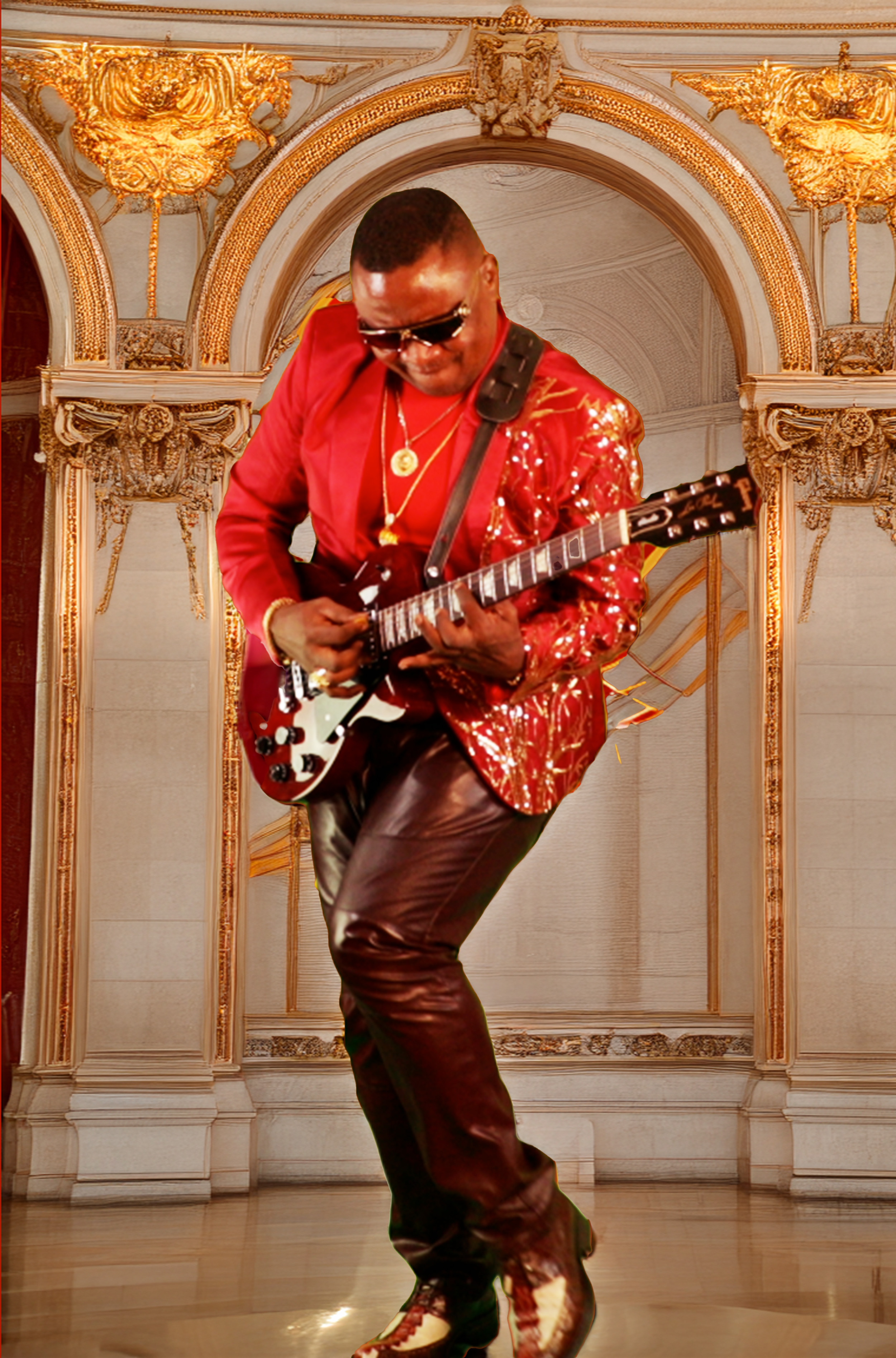
The WAJO (Dance) Project afforded me a distinctive and invaluable perspective from which to critically examine the complex and multifaceted challenges faced by Nigerian entertainers, especially those working in the frequently underacknowledged and marginalized roles such as backup vocalists, session musicians, recording engineers, producers, dancers, and choreographers. Through this engagement, I was able to gain an in-depth understanding of the structural, economic, and socio-cultural factors that contribute to the precarity and limited visibility experienced by these professionals within Nigeria’s dynamic entertainment industry. This vantage point also illuminated the intersectional dimensions of labor conditions, recognition, and artistic agency that characterize these occupations, thereby underscoring the broader implications for equitable representation and sustainable development in Nigeria’s creative sectors. This investigation reveals entrenched structural and economic inequities that undermine the sustainability of artistic careers in Nigeria’s contemporary music industry. The following discourse elaborates upon these systemic issues through detailed accounts and critical reflections amassed during the project’s production phase, with the overarching aim to contribute to a deeper understanding of the lived realities shaping Nigeria’s music professionals.
Initial Encounters: Economic Hardships Among Collaborators
At the project’s inception, it became immediately apparent that several of the backup singers and session musicians integral to the recordings were grappling with considerable financial precarity. One of the earliest and most telling incidents involved a request for an advance payment to cover transportation to a scheduled studio session. This took me by surprise, as such pre-payment requests were unfamiliar in my prior experiences within other music industry contexts and initially elicited a sense of reluctance and discomfort. The recording session itself was intended to be conducted alongside the esteemed studio engineer James Elepo—now regrettably departed—whose technical expertise was pivotal to the sound we sought to capture.
This initial episode was emblematic of deeper financial vulnerabilities faced by supporting artists, whose income streams often lack stability or predictability. Such vulnerabilities became increasingly apparent as the project unfolded; after compensating the guitarist generously for his studio contributions, he unexpectedly solicited advance payments for future performances scheduled months or years ahead. Although initially disconcerting, this demand underscored the tenuous financial circumstances that compel musicians to seek income security well in advance. These encounters starkly contrasted with expectations formed from more established music economies, highlighting the precarious economic landscape for Nigerian artisanal contributors.
A subsequent field visit to Nigeria to engage personally with the team intensified my awareness and concern. Witnessing firsthand the socio-economic conditions under which these artists operate, I experienced profound disappointment that, at this stage of their careers, many had yet to achieve the financial recognition and stability seemingly warranted by their talent and professionalism. In retrospect, I acknowledge and regret my earlier skepticism toward the advance payment requests, recognizing these as symptomatic of broader systemic deficiencies rather than isolated exceptions.
Broader Context: Economic Environment and Industry Practices
The precarious financial realities confronting Nigerian musicians, particularly those beyond front-line performers, are intimately connected to the evolving structure of the music production ecosystem, both locally and globally. The widespread adoption of digital production techniques and synthesized instrumentation has materially transformed cost structures and artistic practices. While technologically efficient, this digital paradigm often marginalizes live instrumentalists and vocalists, whose traditional roles have been diminished in favor of cost-effective pre-recorded or synthesized alternatives. This dynamic exacerbates financial instability within these support sectors, as opportunities for regular employment and fair remuneration shrink.
Moreover, the compensation framework for backup singers in Nigeria starkly diverges from models employed in well-established music markets such as the United States. Whereas Nigerian backup vocalists typically receive one-off upfront payments without any participation in royalty income, their American counterparts benefit from structured industry mechanisms designed to secure ongoing compensation. For example, organizations such as the American Federation of Musicians (AFM) and the Screen Actors Guild‐American Federation of Television and Radio Artists (SAG-AFTRA) administer intellectual property rights and distribute royalties generated from digital streaming and international licensing. Such institutional protections ensure that background vocalists and session musicians receive residual payments, thereby fostering sustainable career prospects.
In Nigeria, the absence of a robust, unified musicians’ union or effective collective management organization leaves backup singers, session musicians, engineers, and producers vulnerable. These artists frequently work under informal arrangements lacking enforceable contracts or clarity around their rights to royalties or other residual income. Instead, initial payments are often the sole financial rewards, with subsequent revenues from labels or collection societies accruing almost exclusively to lead artists and producers. This imbalance not only diminishes livelihoods but also diminishes incentives for talented musicians to sustain long-term engagement within the industry.
Challenges for Technical Professionals: Engineers and Producers
The plight of technical personnel such as recording engineers and producers parallels that of vocalists and instrumentalists, albeit with distinct nuances. Within industry contexts like the United States, producers commonly negotiate “points,” or percentages of master recording royalties, in addition to flat fees for their labor. Engineers, traditionally compensated by fixed fees, have experienced significant gains in royalty rights following legislative interventions such as the U.S. Music Modernization Act (MMA), which explicitly allocates digital performance royalties to producers, mixers, and engineers. These systemic frameworks enhance income streams and professional recognition for those shaping the sonic character of recordings.
Conversely, Nigerian engineers generally depend on express written agreements—often formalized via “Letters of Direction” issued by artists—to claim shares of royalty revenues. In the absence of such documentation, digital royalties rarely reach these critical contributors. This contractual opacity is further complicated by the lack of industry-standard agreements and poor legal enforcement, resulting in many highly skilled technical professionals receiving limited or no compensation beyond upfront payments.
Furthermore, it is crucial to recognize that royalties for producers and engineers are contingent upon proactive negotiation and clear contractual stipulations prior to release. Producers typically earn royalties linked to master recording rights rather than musical composition rights unless simultaneously credited as songwriters. This distinction is significant for revenue division and complicates equitable distribution in contexts lacking comprehensive contracts.
Consequences for the Industry: Declining Veteran Expertise
The cumulative effect of these economic, structural, and institutional shortcomings manifests poignantly in the shrinking presence of veteran technical professionals in Nigeria’s music industry. Many pioneering recording engineers and producers from the vibrant Nigerian music scene of the 1990s have either exited active participation or been marginalized due to insufficient remuneration and career support. This attrition jeopardizes the preservation of technical expertise and artistic continuity essential for the industry’s cultural vitality.
Institutional Gaps and the Need for Reform
Fundamentally, the financial and professional inequities described are inseparable from Nigeria’s broader absence of transparent institutional frameworks governing collective rights management and artist representation. Without credible musicians’ unions, collective management organizations, or standardized royalty collection and distribution mechanisms, the contributions of backup singers, session musicians, engineers, and producers remain undervalued and inadequately compensated. This systemic neglect not only imperils individual livelihoods but also undermines the foundations of a sustainable and equitable music industry capable of nurturing future generations.
To address these challenges, concerted efforts are required to establish industry-wide governance structures that codify rights, ensure transparent royalty administration, and facilitate contractual literacy among artists. Such frameworks should draw inspiration from successful international models, adapting best practices to the Nigerian cultural and economic context. Equally critical is fostering a culture of solidarity and mutual recognition within the music community—initiatives that consciously uplift veteran artists and technical professionals who have historically underpinned the industry’s development but remain financially marginalized.
The WAJO (Dance) Project: Affirming Legacy and Advocating Solidarity
The WAJO (Dance) Project aspires not only to generate an artistically compelling work but also to serve as a platform for raising awareness of these pervasive structural issues confronting independent Nigerian entertainers. It is an intentional affirmation of the value of veteran artists—figures whose substantial contributions have shaped the nation’s rich musical heritage yet whose commercial success and recognition remain limited or elusive. By foregrounding the voices and experiences of these pioneers, the project advocates for a paradigm of inclusivity, solidarity, and reciprocal support within the creative community, emphasizing that progress hinges on honoring those who laid the groundwork.
Moreover, this initiative exemplifies resilience amidst adversity. It illuminates the multifaceted challenges faced by independent artists—from resource constraints and technical skills deficits to the complexities of negotiating industry gatekeeping and maintaining diasporic networks. Through collaboration and sustained engagement, WAJO highlights pathways toward preserving Nigeria’s artistic legacy in the face of daunting systemic obstacles.
Conclusion
The experiences documented through the WAJO (Dance) Project render a microcosm of the broader systemic challenges besetting Nigeria’s music industry. The precarious economic conditions endured by backup singers, instrumentalists, recording engineers, and producers reflect not merely localized hardships but reveal structural deficits characterized by inadequate institutional protections, lack of formalized contractual practices, and minimal access to royalty streams. Without strategic reforms and collective advocacy to establish transparent, equitable, and enforceable frameworks for artist rights and remuneration, these indispensable contributors will continue to bear the brunt of an industry that undervalues their artistic labor.
To ensure the sustained vitality and global competitiveness of Nigerian music, it is imperative to confront these systemic inequities and champion models of governance and solidarity that uphold fairness and dignity. Only through such comprehensive efforts can the country’s rich cultural heritage be preserved and its artistic community empowered to thrive across generations. The WAJO (Dance) Project thus stands as both an artistic endeavor and a call to action, inviting stakeholders at all levels to recognize and address the complex realities defining independent artistry in contemporary Nigeria.
Aguike, also known as Alla-bama, is a singer, songwriter, music producer, and sound Engineer.

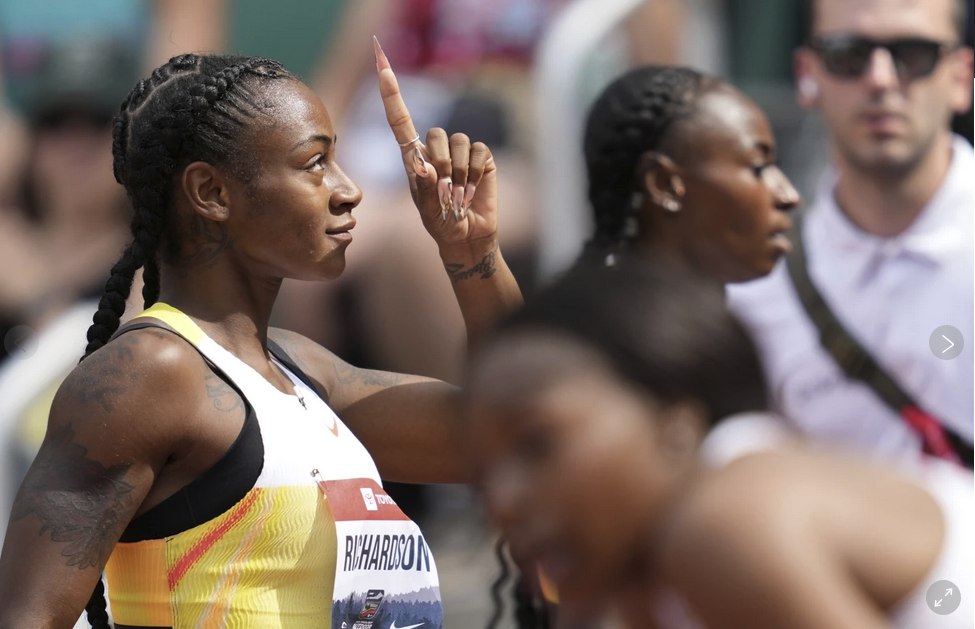
Sprinter Sha’Carri Richardson, the reigning 100-meter world champion, finds herself at the center of a troubling incident that could overshadow her fiercely promising career. Last weekend, Richardson was arrested at Seattle-Tacoma International Airport on a fourth-degree domestic violence charge, following an alleged altercation with her boyfriend, fellow sprinter Christian Coleman. This news arrives mere days after Richardson showcased her blazing speed in the opening round of the women’s 100 meters at the U.S. track and field championships in Eugene, Oregon—a reminder that her athletic prowess remains undeniable even as controversy brews.
According to a police report obtained NewYorkGM, an officer was alerted by a TSA supervisor to a disturbance between Richardson and Coleman. Surveillance footage captured Richardson grabbing Coleman’s backpack and forcibly yanking it away, subsequently blocking his path and shoving him against a wall. The report also detailed how Richardson seemingly threw an item, possibly a pair of headphones, at Coleman. Despite this, Coleman reportedly declined further involvement in the investigation, refusing to participate as a victim.
Richardson was taken into custody at the South Correctional Entity in Des Moines, Washington, late Sunday evening and released the following afternoon. USA Track and Field, while aware of the situation, has yet to offer a comment. Meanwhile, efforts to reach Richardson’s representatives for insight have so far gone unanswered.
For a star athlete whose life has been marked by breathtaking highs—a world championship win in Budapest, an Olympic gold medal in the 4×100 relay, and a silver medal at the Paris Games—this incident evokes a complex question about accountability and the pressures athletes face behind the scenes. Richardson’s meteoric rise has already been tested; a positive marijuana test at the 2021 U.S. Olympic trials cost her a coveted spot at the Tokyo Olympics and left many questioning her path forward.
Now, as she prepares to defend her title at the world championships in Tokyo this September, Sha’Carri Richardson confronts a crossroads. Will she emerge from this personal turmoil with renewed focus and resilience, or will the shadows of this episode cast a lasting pall over her legacy? The world watches closely—not just as fans of her speed and strength, but as observers of the human story behind the medals. In a sport that demands peak physical performance and mental clarity, Richardson’s next steps will speak volumes about her character and future beyond the track.


Outrage is swelling as ICE arrests a South Korean college student and a Peruvian asylum seeker mere moments after their routine court hearings earlier this week. Supporters and advocates alike decry these abrupt detentions as not just unjust, but as a calculated assault on some of the most vulnerable among us—immigrants striving to navigate the legal system with honesty and hope. This troubling pattern of fear and intimidation strikes at the core of our values, undermining the very foundations of justice and due process. Our community demands an immediate halt to these harsh and inhumane tactics. We call for a compassionate approach—one that honors the dignity, rights, and humanity of all those seeking safety and the promise of a better life on our shores. It is time to stand united against injustice and uphold the true spirit of fairness and empathy in our immigration system.
Sad.
Inside America
New York City: The Aftermath of Donald Trump’s Victory-allah-bama reacts
the city that never sleeps was indeed asleep. It was a somber sight. Where are all the millions of people who typically fill the streets? From 42nd Street, the world’s most famous thoroughfare, to the Empire State Building and the World Trade Center, an eerie quietness enveloped everything. Millions of New Yorkers are still reeling in shock

Rumor has it that the streets of the greatest city in the world are deserted following Donald Trump’s victory over Kamala Harris. I took my R5C for a drive and discovered that, for the first time since the COVID-19 pandemic, the city that never sleeps was indeed asleep. It was a somber sight. Where are all the millions of people who typically fill the streets? From 42nd Street, the world’s most famous thoroughfare, to the Empire State Building and the World Trade Center, an eerie quietness enveloped everything. Millions of New Yorkers are still reeling in shock. Many individuals are grappling with depression, and I know some who have already started therapy.
I’ve given simple advice to friends, fans, close buddies, and even family members who are struggling with this stress and are imagining what another four years of a Trump presidency might feel like: stay away from the news. Turn off the cable networks. Take a deep breath, have a little nap, and wake up as if nothing has happened. Forget about politicians and politics, and you’ll find yourself returning to normalcy. Engage in activities that bring you joy; politics is dirty, and the world will be a better place without it.
AGUIKE (also known as Emma Agu)
President, US Global Media, LLC
Bayside, New York


-

 latest news3 years ago
AKU ( Wealth): AGUIKE, alias Allah-Bama’s new hit song.
-

 latest news2 years ago
How FBI nabbed Frank Ikechuwku newly elected Chairman of Chairman of Ogbaru LGA in Anambra state!
-

 Art2 years ago
Beyoncé’s Album of the Year: A Lesson for Nigerian Musicians, by Allah-Bama (Part 3)
-

 Entertainment2 years ago
PMAN: Between Greed, Corruption, & Leadership By Aguike, alias Allah Bama.
-

 Inside America2 years ago
New York City: The Aftermath of Donald Trump’s Victory-allah-bama reacts
-

 latest news1 year ago
Ghanaian National Kidnapped in Nigeria Begs for Mercy (See full Video)
-

 Art2 years ago
Beyoncé’s Album of the Year: A Lesson for Nigerian Musicians, by Allah-Bama (Part 2)
-

 Art1 year ago
Justice for Late Gospel artist, Osinachi, Husband sentenced to death.
-

 Art2 years ago
Beyoncé’s Album of the Year: A Lesson for Nigerian Musicians, by Allah-Bama-(Part1)
-

 Featured2 years ago
op-ed: My Encounter with a Rogue Asylum Seeker-Musician AGUIKE speaks