
Music
Cardi B Experiences Nigeria’s Epileptic Power Supply, Rendering Bad Remarks

Cardi B touched down Nigeria excited on Friday as she is set to perform at the Eko Hotels and Suites on December 7, 2019, for the first time.
The American female rapper flew in excited, twerking to her remix of DMW boss, Davido’s song “Fall” in a video she posted while on the plane.
In the Video Cardi B was excited coming to Nigeria. She went on to caption the video with a quote announcing her trip to Africa, saying:
“1:03 am drop my KK in NY on my way to Afrriiiiicaaaaaaaaaa baybeeeee!!!!!!”
Her excitement went sour as she checked into her hotel room, covering her nose with a scarf. Furthermore, posting a video online comparing Nigeria to the Dominican Republic, with the epileptic power supply and lousy infrastructure in common.
The video was made while she was taking a short tour around Lagos state, showing the not-so-impressive infrastructure while she stated: “we are in the mother f*cking Nigeria, No light, this sh*t looks like the Dominican Republic.”
Nigerians reacting to the video post on Instagram agreed with her observation with some stating how they pay per month amidst the inconsistent power supply.
Art
Nigerian Entertainers: Challenges and Frustrations – Excerpts from WAJO (Dance) Project by AGUIKE (Alla-bama)

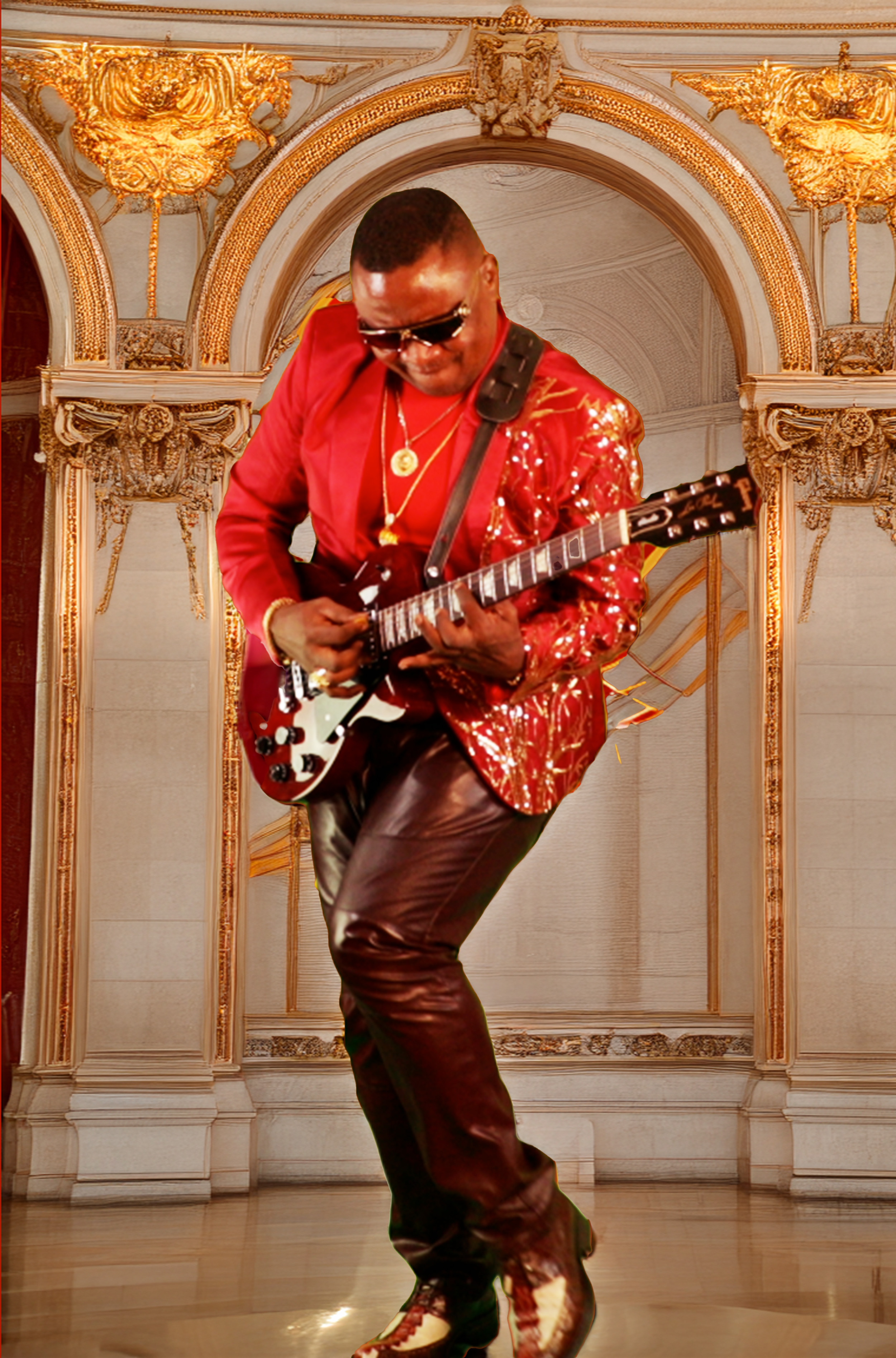
The WAJO (Dance) Project afforded me a distinctive and invaluable perspective from which to critically examine the complex and multifaceted challenges faced by Nigerian entertainers, especially those working in the frequently underacknowledged and marginalized roles such as backup vocalists, session musicians, recording engineers, producers, dancers, and choreographers. Through this engagement, I was able to gain an in-depth understanding of the structural, economic, and socio-cultural factors that contribute to the precarity and limited visibility experienced by these professionals within Nigeria’s dynamic entertainment industry. This vantage point also illuminated the intersectional dimensions of labor conditions, recognition, and artistic agency that characterize these occupations, thereby underscoring the broader implications for equitable representation and sustainable development in Nigeria’s creative sectors. This investigation reveals entrenched structural and economic inequities that undermine the sustainability of artistic careers in Nigeria’s contemporary music industry. The following discourse elaborates upon these systemic issues through detailed accounts and critical reflections amassed during the project’s production phase, with the overarching aim to contribute to a deeper understanding of the lived realities shaping Nigeria’s music professionals.
Initial Encounters: Economic Hardships Among Collaborators
At the project’s inception, it became immediately apparent that several of the backup singers and session musicians integral to the recordings were grappling with considerable financial precarity. One of the earliest and most telling incidents involved a request for an advance payment to cover transportation to a scheduled studio session. This took me by surprise, as such pre-payment requests were unfamiliar in my prior experiences within other music industry contexts and initially elicited a sense of reluctance and discomfort. The recording session itself was intended to be conducted alongside the esteemed studio engineer James Elepo—now regrettably departed—whose technical expertise was pivotal to the sound we sought to capture.
This initial episode was emblematic of deeper financial vulnerabilities faced by supporting artists, whose income streams often lack stability or predictability. Such vulnerabilities became increasingly apparent as the project unfolded; after compensating the guitarist generously for his studio contributions, he unexpectedly solicited advance payments for future performances scheduled months or years ahead. Although initially disconcerting, this demand underscored the tenuous financial circumstances that compel musicians to seek income security well in advance. These encounters starkly contrasted with expectations formed from more established music economies, highlighting the precarious economic landscape for Nigerian artisanal contributors.
A subsequent field visit to Nigeria to engage personally with the team intensified my awareness and concern. Witnessing firsthand the socio-economic conditions under which these artists operate, I experienced profound disappointment that, at this stage of their careers, many had yet to achieve the financial recognition and stability seemingly warranted by their talent and professionalism. In retrospect, I acknowledge and regret my earlier skepticism toward the advance payment requests, recognizing these as symptomatic of broader systemic deficiencies rather than isolated exceptions.
Broader Context: Economic Environment and Industry Practices
The precarious financial realities confronting Nigerian musicians, particularly those beyond front-line performers, are intimately connected to the evolving structure of the music production ecosystem, both locally and globally. The widespread adoption of digital production techniques and synthesized instrumentation has materially transformed cost structures and artistic practices. While technologically efficient, this digital paradigm often marginalizes live instrumentalists and vocalists, whose traditional roles have been diminished in favor of cost-effective pre-recorded or synthesized alternatives. This dynamic exacerbates financial instability within these support sectors, as opportunities for regular employment and fair remuneration shrink.
Moreover, the compensation framework for backup singers in Nigeria starkly diverges from models employed in well-established music markets such as the United States. Whereas Nigerian backup vocalists typically receive one-off upfront payments without any participation in royalty income, their American counterparts benefit from structured industry mechanisms designed to secure ongoing compensation. For example, organizations such as the American Federation of Musicians (AFM) and the Screen Actors Guild‐American Federation of Television and Radio Artists (SAG-AFTRA) administer intellectual property rights and distribute royalties generated from digital streaming and international licensing. Such institutional protections ensure that background vocalists and session musicians receive residual payments, thereby fostering sustainable career prospects.
In Nigeria, the absence of a robust, unified musicians’ union or effective collective management organization leaves backup singers, session musicians, engineers, and producers vulnerable. These artists frequently work under informal arrangements lacking enforceable contracts or clarity around their rights to royalties or other residual income. Instead, initial payments are often the sole financial rewards, with subsequent revenues from labels or collection societies accruing almost exclusively to lead artists and producers. This imbalance not only diminishes livelihoods but also diminishes incentives for talented musicians to sustain long-term engagement within the industry.
Challenges for Technical Professionals: Engineers and Producers
The plight of technical personnel such as recording engineers and producers parallels that of vocalists and instrumentalists, albeit with distinct nuances. Within industry contexts like the United States, producers commonly negotiate “points,” or percentages of master recording royalties, in addition to flat fees for their labor. Engineers, traditionally compensated by fixed fees, have experienced significant gains in royalty rights following legislative interventions such as the U.S. Music Modernization Act (MMA), which explicitly allocates digital performance royalties to producers, mixers, and engineers. These systemic frameworks enhance income streams and professional recognition for those shaping the sonic character of recordings.
Conversely, Nigerian engineers generally depend on express written agreements—often formalized via “Letters of Direction” issued by artists—to claim shares of royalty revenues. In the absence of such documentation, digital royalties rarely reach these critical contributors. This contractual opacity is further complicated by the lack of industry-standard agreements and poor legal enforcement, resulting in many highly skilled technical professionals receiving limited or no compensation beyond upfront payments.
Furthermore, it is crucial to recognize that royalties for producers and engineers are contingent upon proactive negotiation and clear contractual stipulations prior to release. Producers typically earn royalties linked to master recording rights rather than musical composition rights unless simultaneously credited as songwriters. This distinction is significant for revenue division and complicates equitable distribution in contexts lacking comprehensive contracts.
Consequences for the Industry: Declining Veteran Expertise
The cumulative effect of these economic, structural, and institutional shortcomings manifests poignantly in the shrinking presence of veteran technical professionals in Nigeria’s music industry. Many pioneering recording engineers and producers from the vibrant Nigerian music scene of the 1990s have either exited active participation or been marginalized due to insufficient remuneration and career support. This attrition jeopardizes the preservation of technical expertise and artistic continuity essential for the industry’s cultural vitality.
Institutional Gaps and the Need for Reform
Fundamentally, the financial and professional inequities described are inseparable from Nigeria’s broader absence of transparent institutional frameworks governing collective rights management and artist representation. Without credible musicians’ unions, collective management organizations, or standardized royalty collection and distribution mechanisms, the contributions of backup singers, session musicians, engineers, and producers remain undervalued and inadequately compensated. This systemic neglect not only imperils individual livelihoods but also undermines the foundations of a sustainable and equitable music industry capable of nurturing future generations.
To address these challenges, concerted efforts are required to establish industry-wide governance structures that codify rights, ensure transparent royalty administration, and facilitate contractual literacy among artists. Such frameworks should draw inspiration from successful international models, adapting best practices to the Nigerian cultural and economic context. Equally critical is fostering a culture of solidarity and mutual recognition within the music community—initiatives that consciously uplift veteran artists and technical professionals who have historically underpinned the industry’s development but remain financially marginalized.
The WAJO (Dance) Project: Affirming Legacy and Advocating Solidarity
The WAJO (Dance) Project aspires not only to generate an artistically compelling work but also to serve as a platform for raising awareness of these pervasive structural issues confronting independent Nigerian entertainers. It is an intentional affirmation of the value of veteran artists—figures whose substantial contributions have shaped the nation’s rich musical heritage yet whose commercial success and recognition remain limited or elusive. By foregrounding the voices and experiences of these pioneers, the project advocates for a paradigm of inclusivity, solidarity, and reciprocal support within the creative community, emphasizing that progress hinges on honoring those who laid the groundwork.
Moreover, this initiative exemplifies resilience amidst adversity. It illuminates the multifaceted challenges faced by independent artists—from resource constraints and technical skills deficits to the complexities of negotiating industry gatekeeping and maintaining diasporic networks. Through collaboration and sustained engagement, WAJO highlights pathways toward preserving Nigeria’s artistic legacy in the face of daunting systemic obstacles.
Conclusion
The experiences documented through the WAJO (Dance) Project render a microcosm of the broader systemic challenges besetting Nigeria’s music industry. The precarious economic conditions endured by backup singers, instrumentalists, recording engineers, and producers reflect not merely localized hardships but reveal structural deficits characterized by inadequate institutional protections, lack of formalized contractual practices, and minimal access to royalty streams. Without strategic reforms and collective advocacy to establish transparent, equitable, and enforceable frameworks for artist rights and remuneration, these indispensable contributors will continue to bear the brunt of an industry that undervalues their artistic labor.
To ensure the sustained vitality and global competitiveness of Nigerian music, it is imperative to confront these systemic inequities and champion models of governance and solidarity that uphold fairness and dignity. Only through such comprehensive efforts can the country’s rich cultural heritage be preserved and its artistic community empowered to thrive across generations. The WAJO (Dance) Project thus stands as both an artistic endeavor and a call to action, inviting stakeholders at all levels to recognize and address the complex realities defining independent artistry in contemporary Nigeria.
Aguike, also known as Alla-bama, is a singer, songwriter, music producer, and sound Engineer.

For those who choose to overlook the realities confronting the Performing Musicians Employers Association of Nigeria (PMAN), I offer a historical perspective grounded in firsthand experience and sustained activism. Having been involved in PMAN’s affairs for an extended period, my commitment has always been to advocate for a more transparent, accountable, and effective association. My activism predates the tenure of Ugly Okafor; I have long voiced concerns regarding PMAN’s leadership. Over the years, I have documented extensively the multifaceted challenges facing the nation’s largest association representing Black musicians globally. These writings could well serve as the foundation for a compelling dramatized series, chronicling the struggles and missed opportunities of a pivotal institution, essential knowledge for future generations of artists and administrators alike.
To contextualize this history, it is crucial to recall the tenure of the late Femi Lasode—may his soul rest in peace. Lasode was an accomplished individual from a prominent family with substantial business interests. Before his presidency, he managed his father’s multi-million naira enterprise, a position indicating significant business acumen and leadership capability. Yet, shortly after the esteemed Sunny Ade stepped down as PMAN president, Lasode was persuaded by a cadre of influencers—including the late Ogbonaya Amadi and the late Harry Mosco—to assume the presidency of the association. It is important to highlight that I had already distanced myself from PMAN by then, as the association’s trajectory no longer aligned with my aspirations for Nigeria’s music community. In the 1990s, despite some musicians gaining commercial recognition, many were struggling financially, barely meeting basic needs, and PMAN lacked the institutional support mechanisms to protect or advance their livelihoods.
Lasode’s tenure centered significantly on establishing the Musicians Hall of Fame, a well-intentioned but ultimately limited initiative. I publicly criticized this focus, reasoning that had previous presidents fulfilled their responsibilities diligently, Lasode would not have had to relinquish his successful business career to step into an association beleaguered by systemic dysfunction and internal politics. While Lasode was a fundamentally principled and competent man, he was arguably ill-prepared for the complexities and demands of steering such a volatile organization. Tragically, this acceptance coincided with his financial decline, illustrating the personal toll of inheriting a mismanaged institution.
More disheartening is the association’s response—or lack thereof—when Lasode’s health deteriorated seriously, and he required international medical treatment beyond his financial means. The association remained conspicuously silent and inactive at a time when solidarity and support were critical. Only after Lasode’s passing did factions emerge, soliciting funds. Such posthumous gestures raise profound ethical questions: for whom precisely are these funds intended?
This lamentable episode is symptomatic of broader, chronic challenges afflicting PMAN. Those who endured these turbulent years remain steadfast in their efforts to restore the association’s functionality and to ensure it serves the interests of all musicians, especially the vulnerable and overlooked. However, despite prolonged stagnation and repeated crises of leadership, some members continue to engage in opaque maneuvers, seeking external “saviors” to rescue PMAN from its prolonged state of dysfunction. These individuals often court wealthy or influential figures, coaxing them to assume leadership roles. A recent encounter with a woman identified as “Hajiya,”—who claimed the presidency without any official standing or legitimacy—epitomizes the problematic dynamics within the body. She told me she was the authentic PMAN’s President!
This episode reflects a recurring pattern within PMAN, wherein actors with little grounding in the realities of effective leadership or the association’s operational demands vie for PMAN presidency. Their motivations frequently appear less aligned with genuine commitment to advancing the association’s mission and more oriented toward the social capital and prestige conferred by holding the presidential title. In the Nigerian socio-cultural milieu, where honorifics and formal titles carry substantial weight, these roles are often viewed as symbols of status rather than platforms for service. The pursuit of such positions, divorced from meritocratic principles, exacerbates the instability and effective leadership deficits that have plagued PMAN for decades.
The implications of this trend are severe. It casts doubt on the integrity of leadership selection processes and raises urgent questions about how legitimacy is established, conferred, and maintained within the association. For PMAN to transform into a sustainable and professionally managed entity, it must institute transparent, merit-based leadership criteria. Equally important is fostering a culture that prioritizes the collective welfare of members and the advancement of the music industry, rather than individual ambition and external perceptions of influence.
Let me back up a little bit, and let’s consider, as a case study, Ugly Okafor. Okafor was cognizant of Femi Lasode’s critical health condition before his death, but he miserly donated a mere 150,000 naira after he died. This is particularly egregious given Okafor’s control over significant association assets and funds—most notably, his unilateral sale of 1.3 hectares of PMAN land, the receipt of over 200 million naira payment from Olusco, and management involvement of millions of naira belonging to PMAN. Despite these considerable resources under his stewardship, Okafor failed to mobilize meaningful support for a former president in dire need. This dereliction is emblematic of deeper systemic problems: mismanagement, lack of accountability, and misplaced priorities.
The underlying truth is that had PMAN been governed with genuine integrity, capable leadership, and accountability, tragedies such as Lasode’s neglect would have been preventable. The failure to protect and support founding and past members has compromised not only individual lives but the institution’s reputation and efficacy. In the absence of functional governance structures, the association is left vulnerable to stories of neglect, opportunism, and posthumous appeals for charity—none of which reflect the robust, professional body PMAN ought to be.
To address a common misconception, some have claimed I was once an ally of Ugly Okafor. It is imperative to clarify that while his tenacity and street-savvy maneuvers have allowed him to maintain a grip on power, his leadership is characterized by greed, callousness, and corruption. Without these traits, his legacy might have warranted recognition as an accomplished administrator. Nonetheless, he has mastered the art of political survival, manipulating access, manipulating funds, and engaging in patronage networks to sustain his influence. His persistence is less a testament to effective leadership and more an indication of systemic weaknesses that allow entrenched actors to dominate the association’s affairs.
The depth of Okafor’s entrenchment is profound. Efforts to dislodge him require more than rhetoric; they demand strategic interventions grounded in institutional reform, legal frameworks, and the mobilization of a principled constituency committed to change. The reality is that PMAN’s fight for renewal is not merely a contest of personalities but a struggle to reclaim the association’s mandate as a credible advocate and protector of musicians’ interests.
In conclusion, the continual cycle of crisis within PMAN is symptomatic of broader socio-political and institutional dysfunctions afflicting many professional associations in Nigeria. Moving beyond this impasse requires a concerted commitment to transparent governance, meritocratic leadership selection, ethical stewardship of resources, and the establishment of sustainable support mechanisms for members past and present. Only through such comprehensive reforms can PMAN fulfill its promise as the largest and most influential association of Black musicians worldwide and truly serve those who dedicate their lives to preserving and advancing Nigeria’s rich musical heritage. Until then, the unending drama that has come to define PMAN’s narrative will persist, to the detriment of its members and the cultural legacy it ought to protect.
Rest in peace, Femi Lasode.
Aguike is the publisher of New YorkGM

R. Kelly, a highly talented musician, is currently serving a lengthy prison sentence after being convicted of sexual misconduct with multiple women. Most notably, some of these women were his girlfriends, including the mother of his children. Just last night, it was reported that Jamie Foxx, the musician, comedian, and Oscar winner, is facing accusations of sexual misconduct from an individual identified as Jane Doe.
Recently, Sean Combs (also known as P Diddy or Puff Daddy) was accused by his ex-girlfriend and R&B singer Cassie of rape and coercing her into engaging in sexual activities with prostitutes while also using drugs. However, before the situation could escalate further legally, a monetary settlement was reached, and Cassandra withdrew her lawsuit.
Despite reaching a financial settlement before going through the court system, P Diddy’s reputation had already been damaged. His public image has suffered dramatically.
Reflecting on R Kelly’s case and considering how many women have come forward accusing him of rape—including his former partner—it is likely that if he had substantial funds at his disposal, he would have sought an out-of-court settlement. While I do not support or dismiss any wrongful actions against women in any way whatsoever—I have observed numerous accusations made against various celebrities driven by financial motivations.
In the music industry, men often behave immaturely, while women may participate in more frivolous activities. It would be hard for any entertainer to claim they have never done something they are not proud of at some point in their career. Many musicians lead chaotic lives filled with womanizing tendencies alongside drug and alcohol abuse—all without much concern for their future consequences. They often father children across different cities during their tours.
I recall one instance where a famous Nigerian musician served as President of the Performing Musicians Association of Nigeria. One day, one of his children approached him, and he claimed not to know who the child was. Truthfully, he didn’t recognize his offspring. This musician was so famous and adored that every woman in South Western Nigeria would do anything to bear his child.
We can also recall former President Donald Trump once stating that when someone is a celebrity, they allow you to do whatever you want with them—and he wasn’t wrong. However, it should be noted that some of these individuals who consented initially may eventually pursue financial compensation from the celebrities involved. This phenomenon affects both male and female stars.
As the saying goes, “Money answers everything.” Many individuals who have accused various celebrities of wrongdoing often receive significant monetary settlements.
While the world and music industry rightfully condemn R Kelly for his irresponsible actions toward his accusers, we should also consider that if he had sufficient financial resources, he might have found a way out of the mess he created. There are countless other celebrities out there who may have committed worse deeds than R Kelly but continue to thrive due to their wealth.
As attention turns towards Jamie Foxx and the individual suing him for financial damages, I hope we allow the court system to decide this case fairly. The mainstream media tends to fixate on black celebrities—rarely waiting for legal resolutions before passing judgment on them; this severely damages their public image long before any jury reaches a verdict in their trials.
My prayer is that one day, R Kelly will be granted parole as nobody is above sin; none of us are saints.
Happy Thanksgiving.
Aguike

A few days ago, while doing strength training at my YMCA gym in Cross Island, New York, I had my earbuds and listened to music. This allowed me to block out the noise of people dropping dumbbells. However, a friend approached me on this particular day, and I decided to pause my music. As we chatted, I heard “Baby Calm,” a song by Rema/Selena Gomez, blasting from the nearby dance studio.
Curious about the commotion coming from the studio, I walked closer and discovered a group of grandmothers gracefully dancing to this song. It surprised me that teenagers were not the only ones attending this dance class. The fact that a significant part of the song was sung in Yoruba (a Nigerian dialect) reinforced the belief that music is a universal language. Music transcends age, religion, gender, and hate. Witnessing these moms embrace music from my country filled me with joy as someone who has contributed to Nigeria’s dance music scene.
It is heartwarming to see that Rema – born Divine Ikubor in Benin City – has taken over New York City’s airwaves with his song. The people living in this incredible city have found solace through his music. Radio DJs on KTU, Z100, 105.1 (Hip-Pop), and many other mainstream channels are enamored with “Baby Calm.” It plays almost every 10 minutes or even more frequently than that. Nigerian music has become an essential part of any party playlist in the Big Apple.
Back in 2009, when I ran The Nigerian FM, I frequently played Nigerian music, and listeners often asked where they could purchase it. The works of artists like Burna Boy, P-Square, and Techno stood out at that time. The reason why some of the best Nigerian music hasn’t made it to mainstream radio stations in the US is a story for another day. I will dedicate another piece since this write-up focuses on Rema’s success.
Rema’s collaboration with Selena Gomez on “Calm Down” was wise. Selena Gomez, a globally beloved figure with over 400 million Instagram followers, humbly thanked Rema for featuring her in his hit song on her social media platform.
Had Rema collaborated with other superstars, especially those in the hip-hop genre who have half of Selena Gomez’s following, they would have tried to overshadow his rise to stardom. They would want credit for his success and attempt to outshine him if he received awards. Whoever orchestrated this collaboration that propelled “Calm Down” by Rema is worthy of praise. I also take this opportunity to thank Selena Gomez for being an incredible individual and acknowledging how this collaboration has impacted her life.
I am aware of the rumor circulating about Selena now dating Rema. However, it’s important to note that simply kissing or hugging does not automatically mean they are a couple. If they are in a relationship, it is their personal affair and should be respected.
To be continued…
In my next part, I will delve into the song itself and highlight the lessons established and upcoming artists can learn from it.
Alla-bama is an award-winning singer, songwriter, producer, and media personality based in New York City.
-

 latest news2 years ago
How FBI nabbed Frank Ikechuwku newly elected Chairman of Chairman of Ogbaru LGA in Anambra state!
-

 Art2 years ago
Beyoncé’s Album of the Year: A Lesson for Nigerian Musicians, by Allah-Bama (Part 3)
-

 Entertainment2 years ago
PMAN: Between Greed, Corruption, & Leadership By Aguike, alias Allah Bama.
-

 Inside America2 years ago
New York City: The Aftermath of Donald Trump’s Victory-allah-bama reacts
-

 latest news1 year ago
Ghanaian National Kidnapped in Nigeria Begs for Mercy (See full Video)
-

 Art2 years ago
Beyoncé’s Album of the Year: A Lesson for Nigerian Musicians, by Allah-Bama (Part 2)
-

 Art1 year ago
Justice for Late Gospel artist, Osinachi, Husband sentenced to death.
-

 Art2 years ago
Beyoncé’s Album of the Year: A Lesson for Nigerian Musicians, by Allah-Bama-(Part1)
-

 Featured2 years ago
op-ed: My Encounter with a Rogue Asylum Seeker-Musician AGUIKE speaks
-

 latest news1 year ago
Nigerian Police detention of PMAN leaders: gross injustice and coverups